Electrical Worker Safety
Working safely is vital for electrical contractors. ELECTRICAL CONTRACTOR, SAFETY LEADER and LINE CONTRACTOR magazines equip readers with all relevant topics, including the National Electrical Code, NFPA 70E, PPE, workplace safety, arc flash safety, working at heights, driving safety, safety leadership and more.
Latest Articles
 Safety
Error Proof: Designing an inherently safe work site helps prevent accidents from the start
By
Prevention through Design (PtD) is largely unknown to engineers, safety directors and company managers. Maybe it has been hiding in plain sight.
 Safety
The Slow Creep of Complacency: Common electrical hazards to know
By
According to the Electrical Safety Foundation International (ESFI), in 2020, 5.3% of all electrical incidents were fatal.
More Safety Articles
-
![Error Proof: Designing an inherently safe work site helps prevent accidents from the start]() Safety
Safety
-
![The Slow Creep of Complacency: Common electrical hazards to know]() Safety
Safety
The Slow Creep of Complacency: Common electrical hazards to know
By -
![Bridge Over Troubled Waters: Programs train employers and employees on the skills to help colleagues in crisis]() Safety
Safety
-
![Michael F. Tibert: Director of safety, Edward G. Sawyer Co. Inc.]() Safety
Safety
Michael F. Tibert: Director of safety, Edward G. Sawyer Co. Inc.
By -
![2027 NFPA 70E Update: A look at the significant changes to articles 90, 105, 110 and 120]() Safety
Safety
-
![Climb the Safety Ladder: Proper selection, inspection and use keep workers safe on the job]() Safety
Safety
-
![A High-Wire Act: Using the right controls and PPE is critical when working at heights]() Safety
Safety
-
![Batting a Thousand]() Safety
Safety
Batting a Thousand
May 15, 2026 -
![The Fire That Changed Prevention: The tragedy at Our Lady of Angels marks nearly 70 years of progress in life safety for schools]() Safety
Safety
-
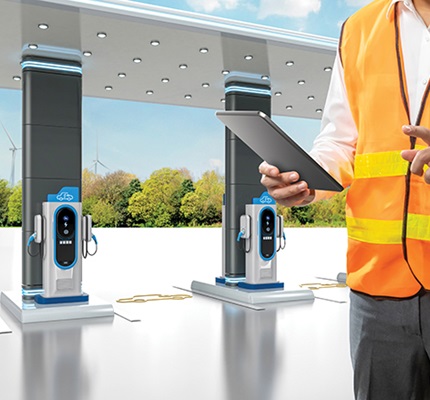
![Safety for EVSE: This equipment with complex requirements is here to stay]() Safety
Safety
-
![Escalator Woes: The importance of maintaining electrical equipment]() Safety
Safety
Escalator Woes: The importance of maintaining electrical equipment
By -
![Intelligent Video Coaching Could Be Another Tool for Safety on the Job]() Safety
Safety
Intelligent Video Coaching Could Be Another Tool for Safety on the Job
By -
![Listen Up: Workplace Hearing Protection Must Fit Properly]() Safety
Safety
Listen Up: Workplace Hearing Protection Must Fit Properly
By -
![Absence of Voltage: Is it really safe?]() Safety
Safety
Absence of Voltage: Is it really safe?
By -
![A Company of the People: Understanding your most important asset]() Safety
Safety
A Company of the People: Understanding your most important asset
By -
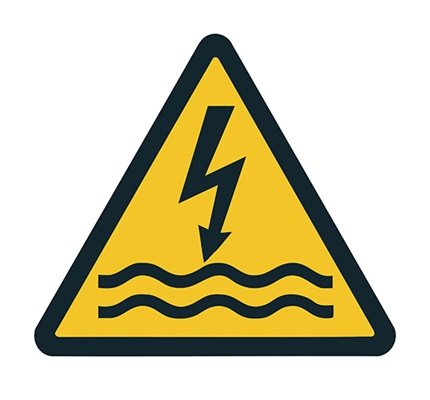
![Caution: Wet Conditions - Moisture demands heightened awareness of electrical hazards on the job site]() Safety
Safety
-
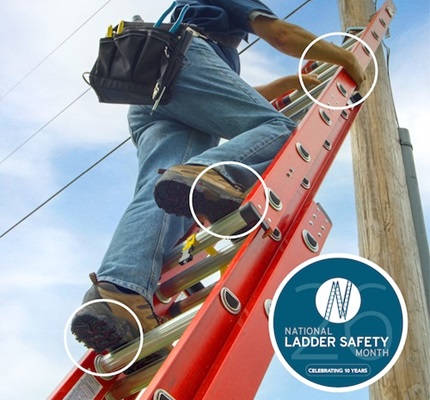
![2026 Marks 10 Years of National Ladder Safety Month]() Safety
Safety
2026 Marks 10 Years of National Ladder Safety Month
By -
![Number of Overdose Deaths and Suicides Decreasing in Construction]() Safety
Safety
Number of Overdose Deaths and Suicides Decreasing in Construction
By -
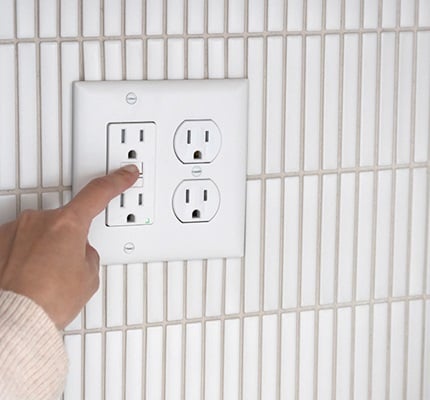
![Don’t Mess With Ground Faults: Problems with insufficient grounding]() Safety
Safety
Don’t Mess With Ground Faults: Problems with insufficient grounding
By -
![Properly Applying Article 130: It’s about more than just risk assessments]() Safety
Safety









featured Video
;
Turn Jobsite Minutes into Savings: Hassle-Free LED Driver Replacement with FieldSET® by eldoLED®
Because your time matters, there’s a faster way to replace LED drivers in the field with FieldSET programmable LED drivers. Hassle-free configuration using ONE handheld programming tool, no internet needed!
Magazines
Immediate access as well as a brochure-style overview of EC Magazine, Safety Leader and Line Contractor.